-
 Where are we?
-
 Contact

Monasterio de la Victoria 
Ruta Sacra
Avda. de la Estación s/n / Crta N-IV (Junto a estación de trenes), Cádiz, España
-
Description

-
Gallery

-
Map

Description


The Victoria Monastery
Built on the outskirts of the city. Its construction began in 1504, and in 1517 it was given to the Minim friars of San Francisco, friars that enjoyed great privileges since the foundation of the order.
www.historiapenaldelpuerto.com
It is not known with accuracy the exact date these monks settled for the first time in our city - the first of the masculine religious order that settled here - but we do know that the Minim friars, in their expansion in Andalusia (Real Convent of the Victoria of Malaga, founded by the Catholic Kings, of Andújar,...) were in El Puerto in 1502. In 1506 they were already installed here under the mandate of Friar Marcial de Vizines, elected in the province, who in 1517 received the donation of the building that the Duke D. Juan de la Cerda made to the community.
AAccording to Hipólito Sancho the sanctuary had a different beginning to the one later attributed to it, it was the family burial vault of the Dukes of Medinaceli, then Lords of the city, which was first financed with the ducal patronage and later with municipal contributions. A stone plaque that is found at the entrance of the church has the following inscription:
"J.H.S. María This building was constructed by the distinguished gentlemen Don Juan de la Cerda and Donna Mencia Manuel, Dukes of Medinaceli, Counts of El Puerto de Santa Maria. Commenced seventh of June in the year of our Saviour Jesus Christ one thousand five hundred and four."
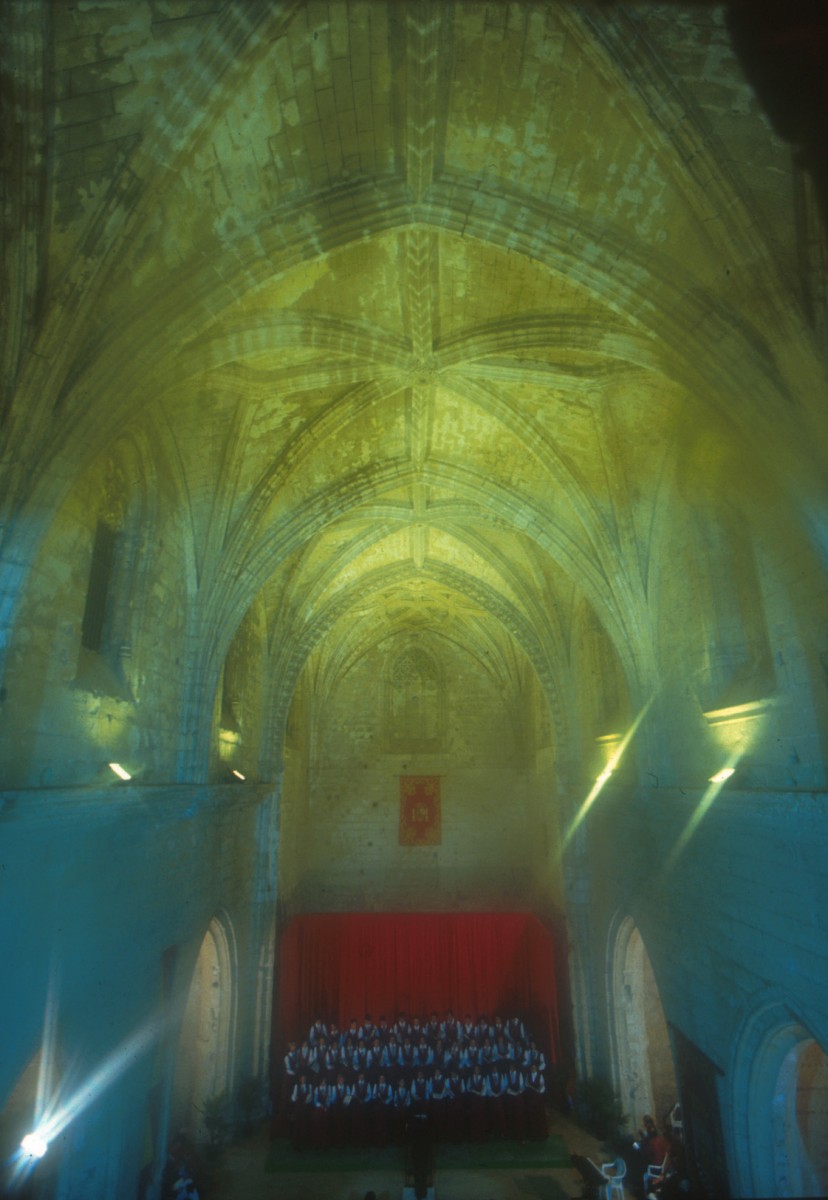
The contributions of the Duke D. Juan and the resources of the community allowed them, through the years, to construct a magnificent building without the unpleasant mixture of several styles, as it was so common in the buildings of that time, being an interesting example of late Gothic style, to which it does not lack any Renaissance elements.
The Monastery consists fundamentally of three elements: church, cloister and chapter house.
Church:
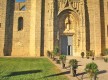
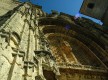
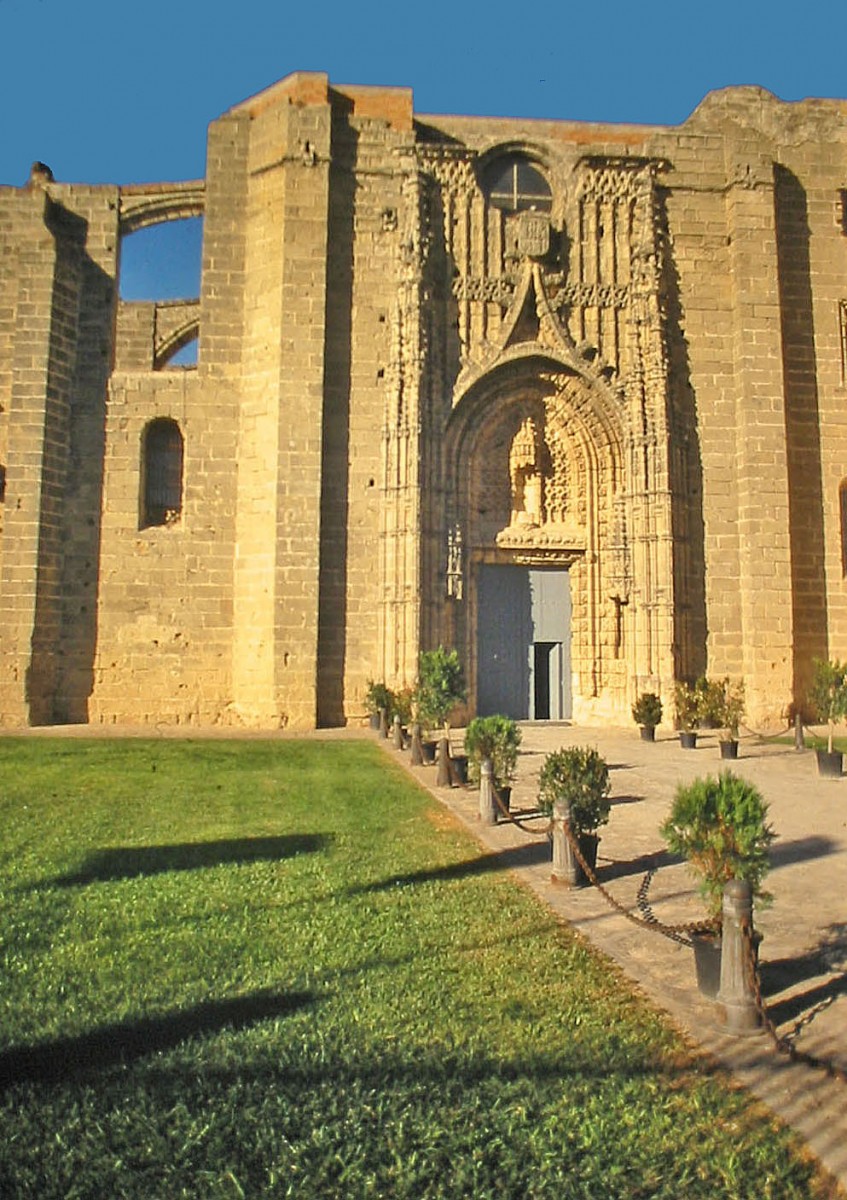
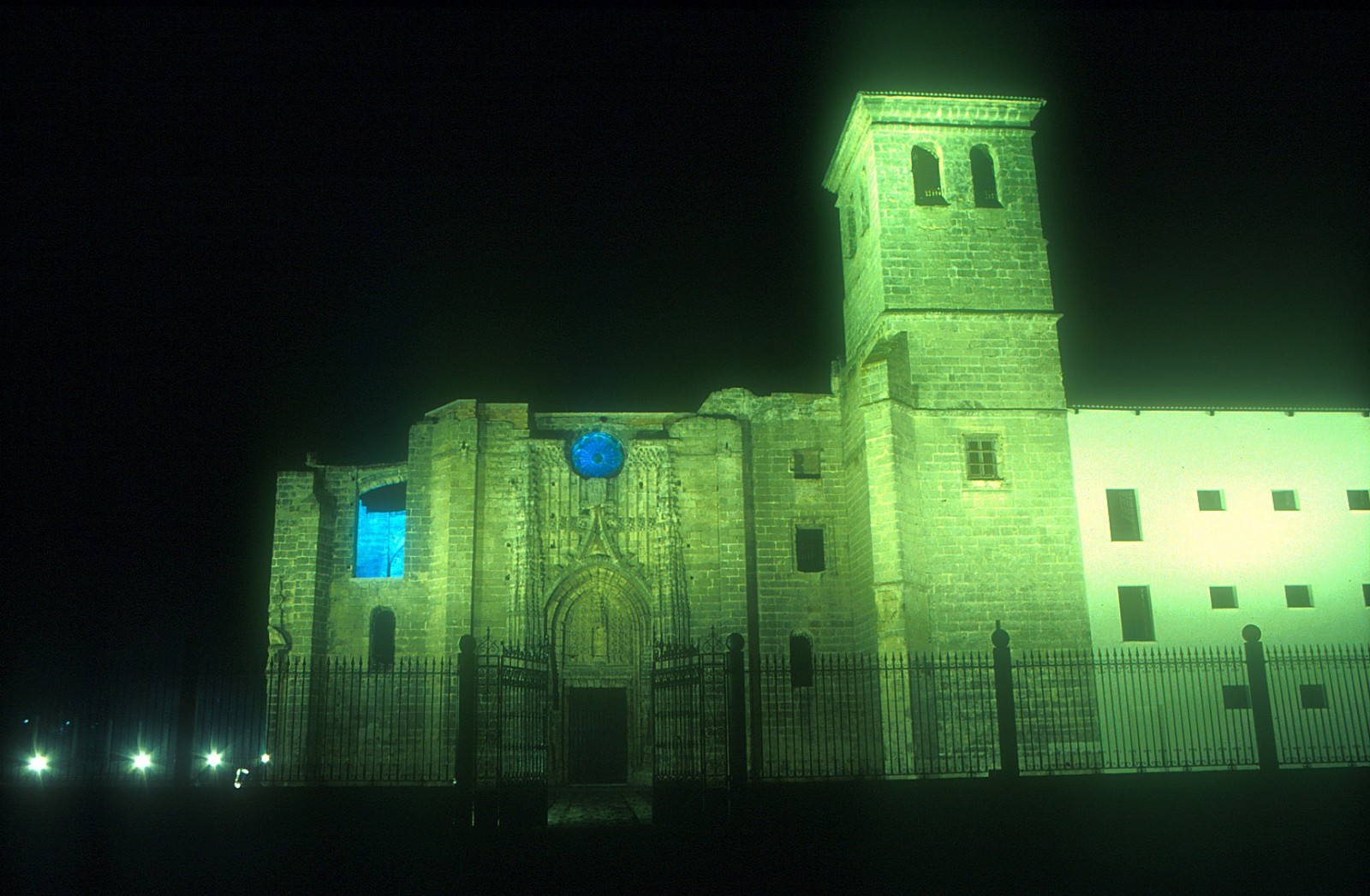
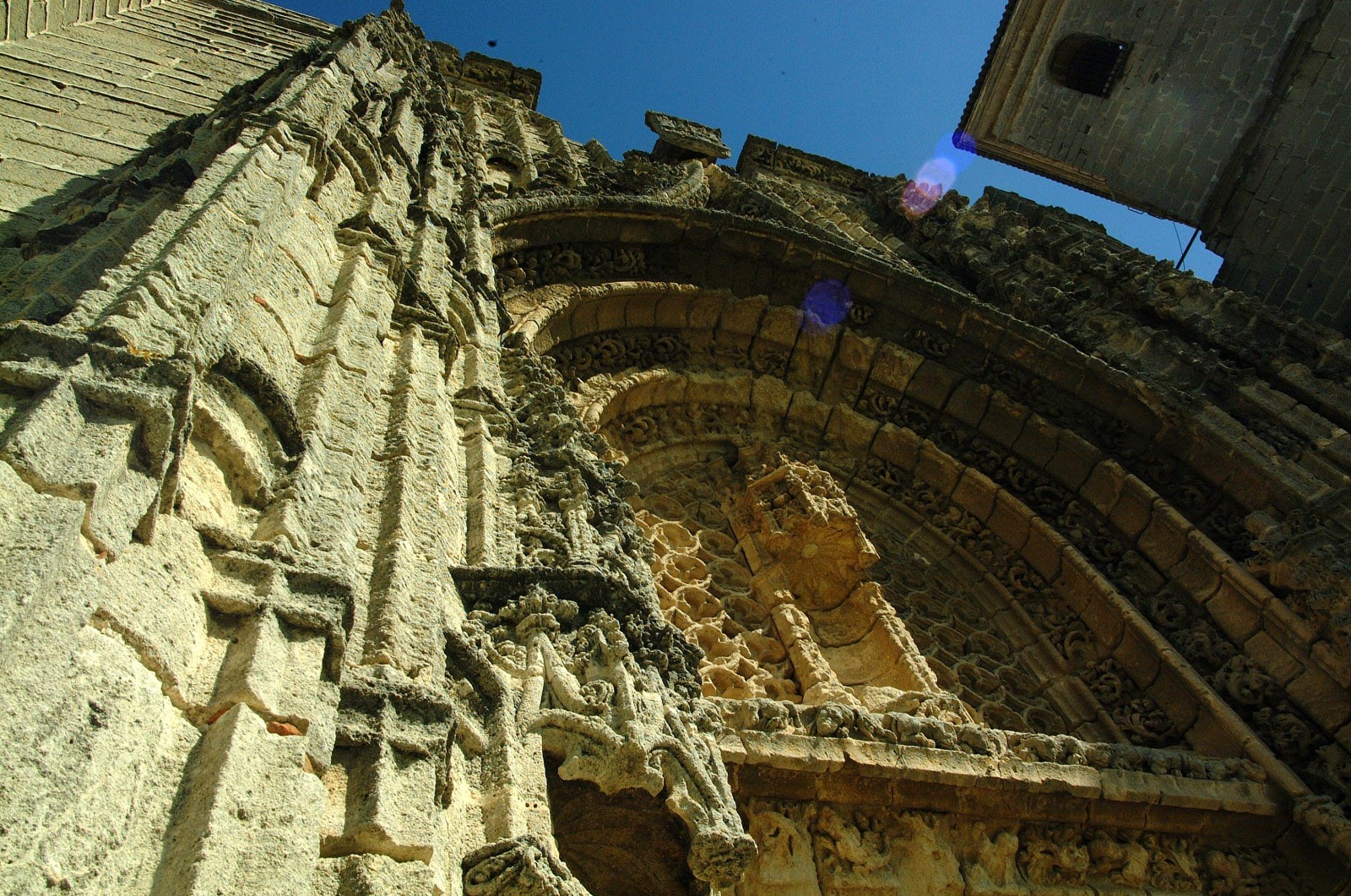
The most important is its facade, it shows exquisite ogival art. This is made up of two pyramidal pillars adorned with embedded ogival columns. Between the two pillars there is an ogee arch with thistle leaves and in the vertex of the arch a coat of arms of the house of " La Cerda": the castle and the rampant lion with the Royal weapons of Castile and the three lilies of France.
As in many other buildings built at this time, with Sevillian influence, mainly in the temple, but the influence is not only in its structure but also in the inspiration of many of the motifs that decorate it, fundamentally the front, an altarpiece, with abundant Gothic ornamental elements and typical vegetables of the end of the 15th century. Similar to those of other churches of Jerez of the same style and the door of the Pardon of the Mayoral Prioral Church, that makes you think it could be the same person who built them.
The drum of the door is parted in two halves by a canopy that harbours the image of Our Lady of Victoria, patron of the Monastery. There are only some remains of the lateral door of the temple.
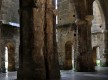
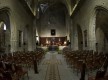
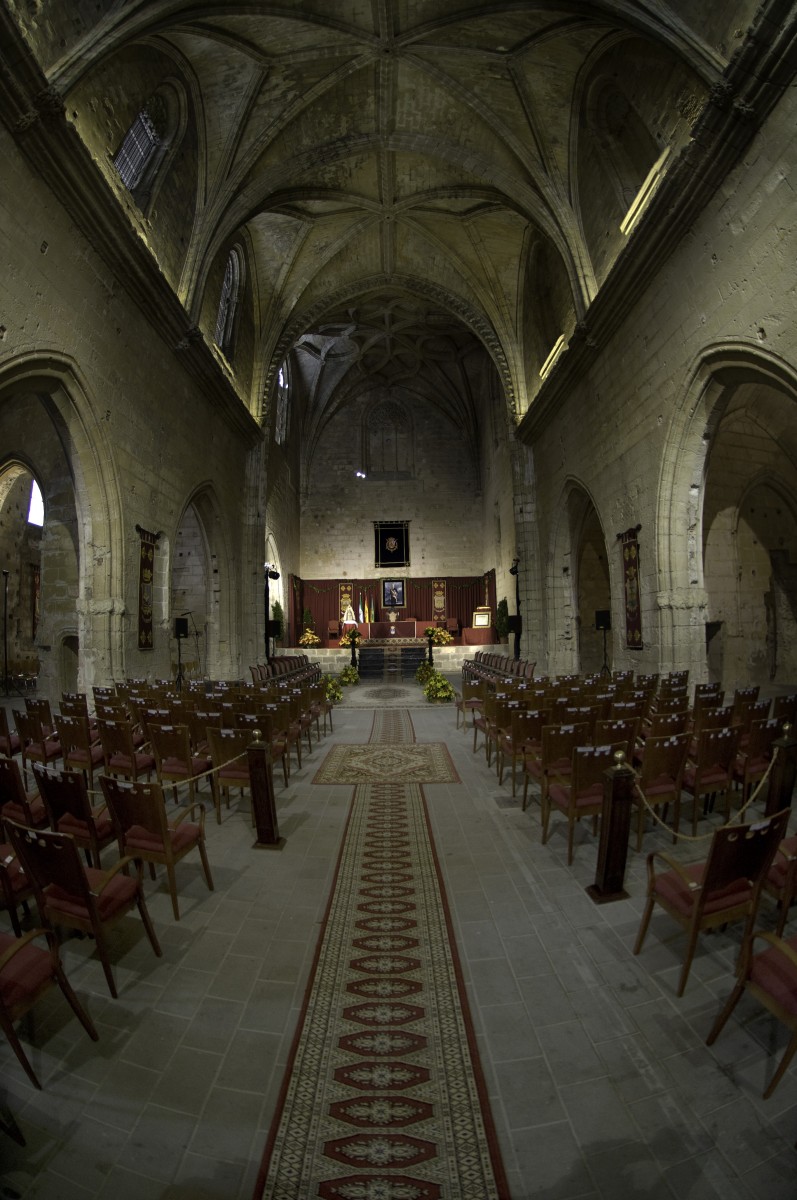
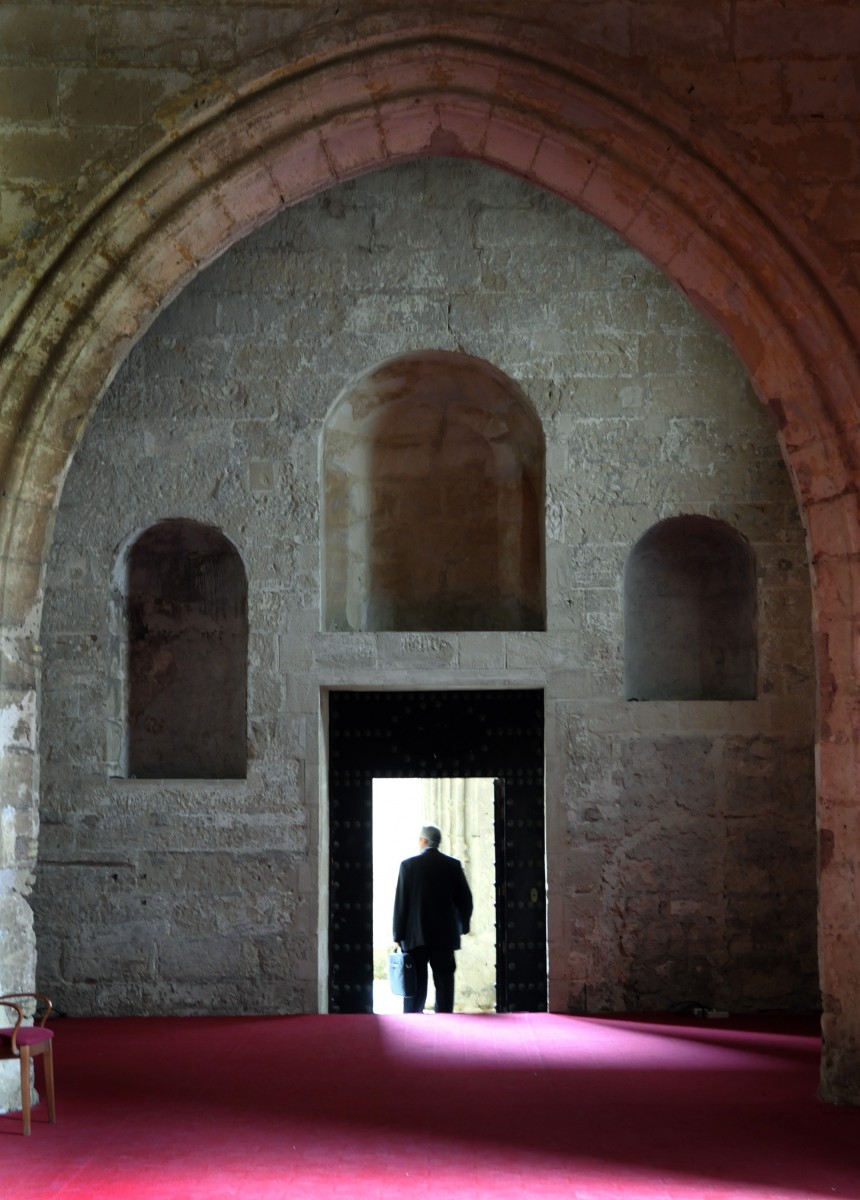
The interior only has one nave, it does not have a crossing and has eight lateral chapels, four in each side and the ducal chapel, located on the right hand side of the Gospel and communicated with the church through a small door. Each chapel had its own dedication.
In the front of the church we can find the main chapel. It is worth mentioning the choir, which rests in a big reduced arch with a star shaped vault.
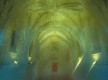
IIt is worth mentioning the decks, which have elements from two styles: the Gothic and the Renaissance. The ribs vary from the simple ogives of the chapels to the tercelets, to the complicated scheme of the central nave o the most elaborated of the star shaped vault of the presbytery. The balance system is of flying buttress and buttresses, not very usual in this period, where the main used elements were the buttress.
TThe monastery’s church was very popular and frequented and inside, brotherhoods as the “Santísimo Cristo de la Humildad y Paciencia” and “Nuestra Señora de la Soledad” were installed.
Cloister
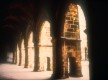
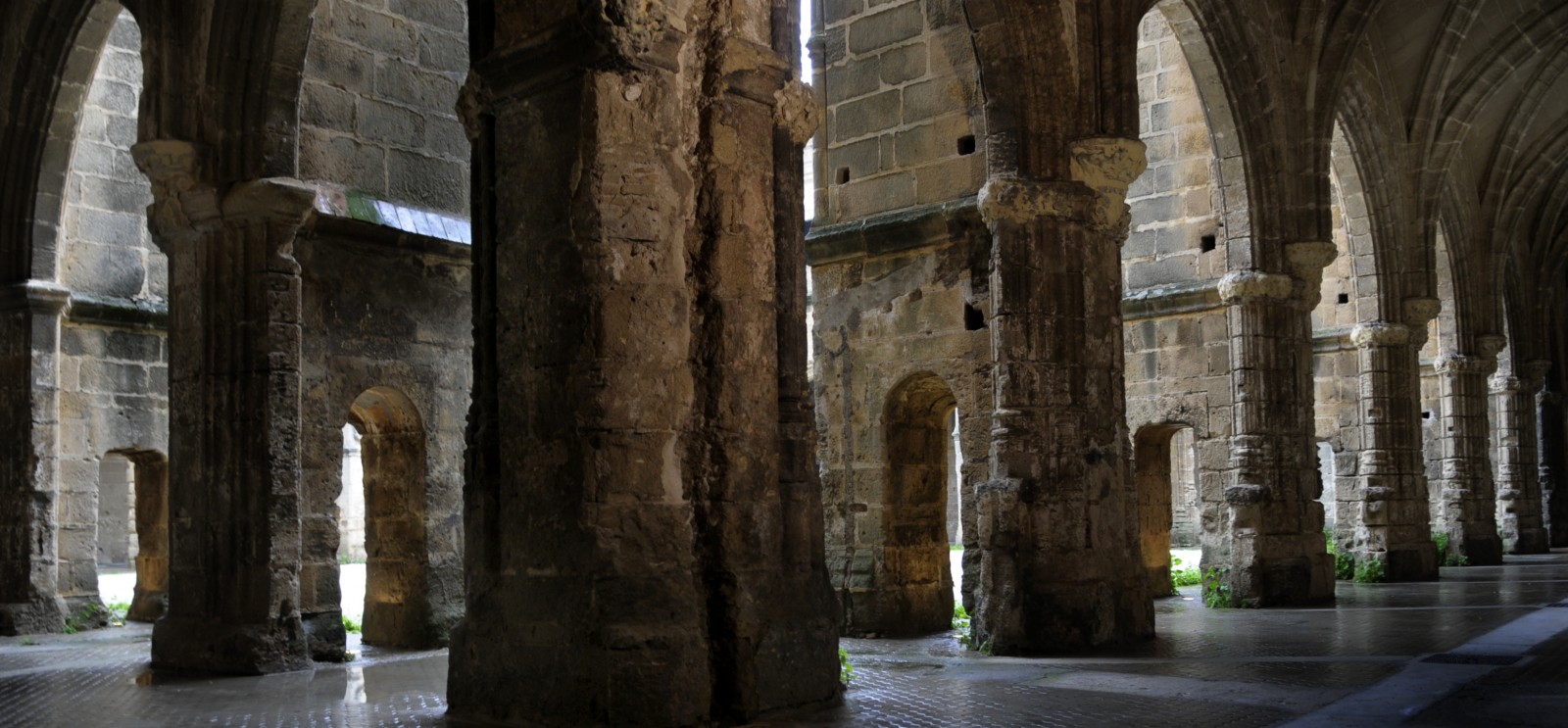
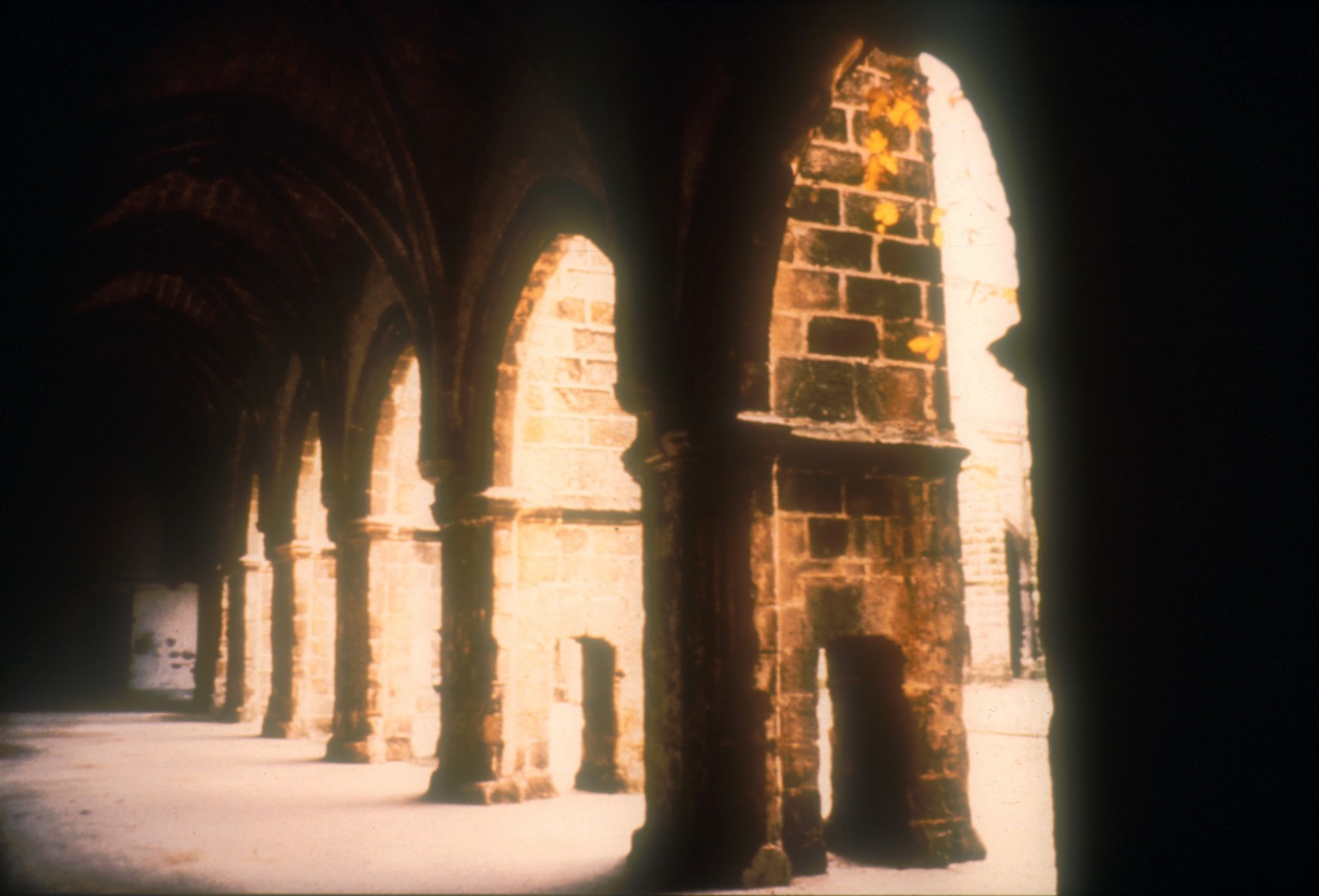
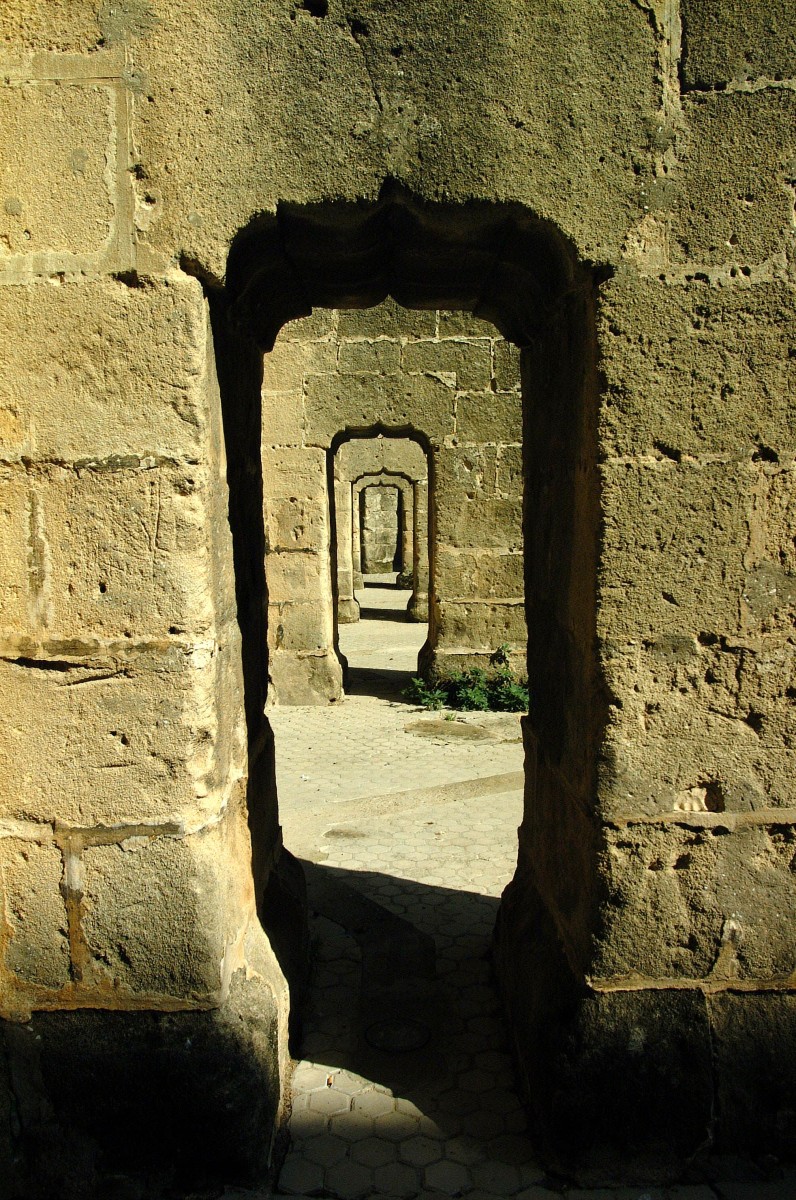
It is a great square patio with galleries on all four sides. These have many ornamental motifs in the openings of the vaults, simple ribbed vaults, and on the brackets of the supports of its ribbed vaults. The cloister is a remarkable piece. Its construction began in the Gothic period, at the end of the 15th century and the beginning of the 16th, contemporarily with that of the temple. This way, the lower floor is formed by four porticos (portals) of stilted ogive arches.
It is important to point out, on this lower section, the enormous buttresses on which the arches rest, perforated in their inferior part by an opening framed by an ogee arch that lets a person pass. On one of them, the coat of arms of the patrons. This first section is of Gothic style and the upper section has Renaissance elements, in which you can observe two construction phases clearly with different ornamental details. And there is still a last part, the big bays of the high arcades that transform into windows.
Refectory and chapter rooms
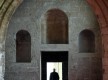
Although a primitive refectory existed, the one that is conserved at the present time was built by Francisco de Guindos, master builder of the city, according to the agreement of December 24th 1699, in which the construction of a chapter room was agreed. In fact, they are two, but one, the nearest to the temple, is the Sacristy. Both chapter rooms are adjacent to the refectory that was concluded in 1700.
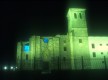
Another significant piece of the building is the tower that served as a belfry and it is made up of two sections.
Use of the buildings
Since its foundation, this building has gone through many changes: first as the ducal family burial vault that later would be altered, the Anglo - Dutch invasion of 1702, the flood that followed the earthquake of 1755, the Napoleonic invasion when it was plundered, and the later secularisation due to the disentitlement of Mendizábal. In the 18th century it was the headquarters of the theological and artistic studies, and in the 19th century, for seminars and novice Jesuits.
Later on, it was used as hospice, refuge and hospital for war injured and on the early years on the 20th century, as a penitentiary.
The Monastery is declared a building of Cultural Interest and at present it has been recovered as an element of the local urban landscape, rescuing it from the anonymity in which it fell into until a few years ago and there are plans to return it to its old monumental splendour.

Gallery
Map
Latitude:
36.605324
- Longitude: -6.217639
Share this page